:: Key Facts
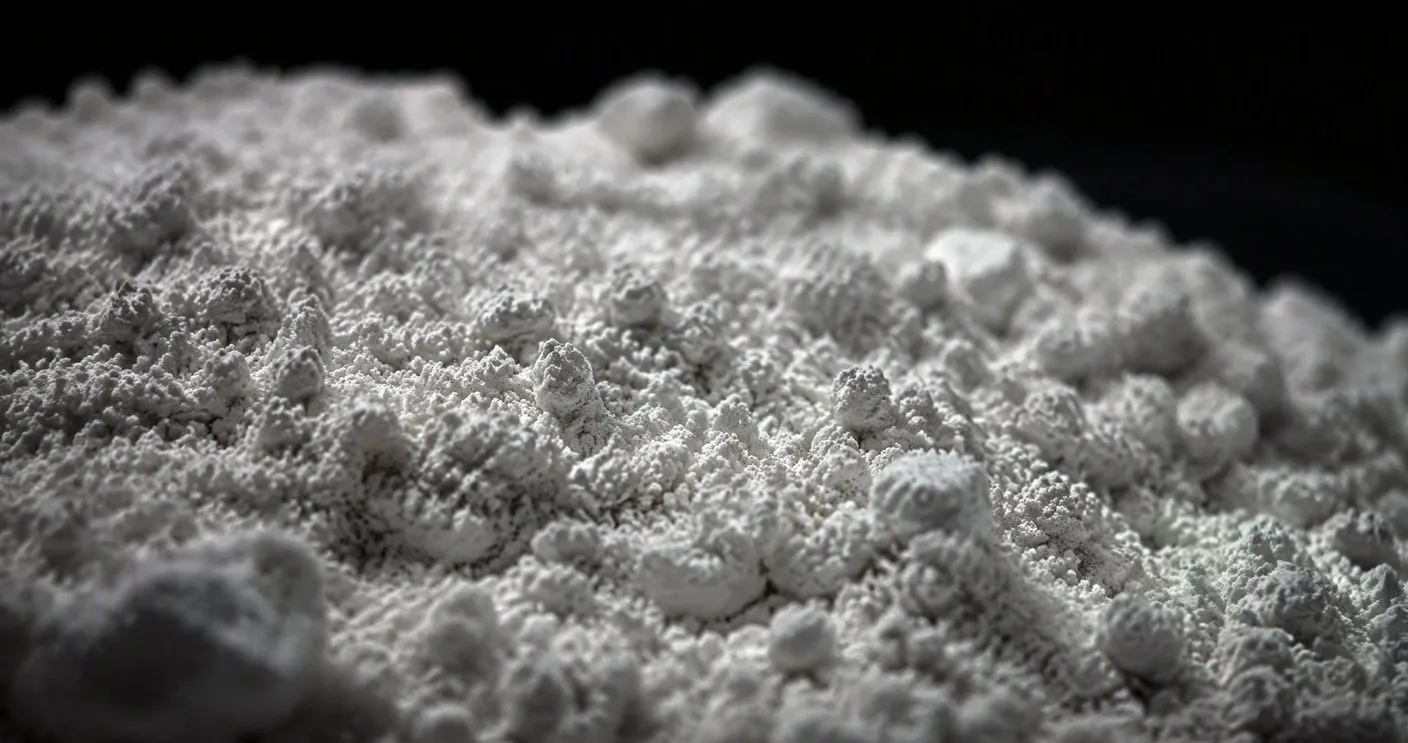
Silicon Carbide (SiC) at a glance
- HRA ≥92 — approaches diamond hardness
- Resists virtually all acids, alkalis and solvents
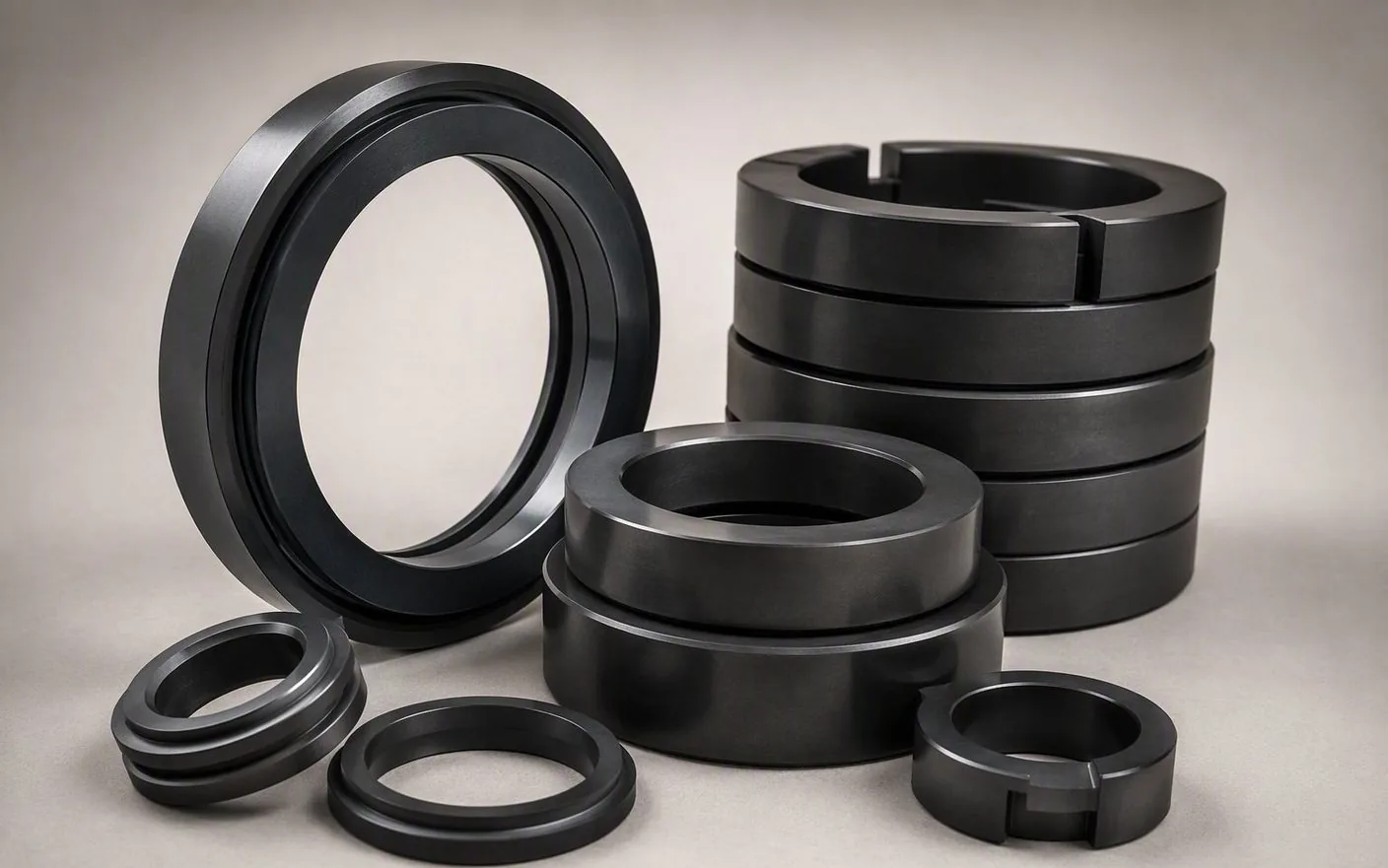
- SSiC for seals & precision; RBSiC for large complex shapes
- Typical parts: mechanical seal rings, rollers, corrosion-proof structures
:: Process & QC
Every lot, documented.
Formed and sintered at our Huzhou base, precision-ground in Huizhou. CMM dimensional report, material certificate and optional SEM imagery ship with your order.
Zeiss CMMSEMXRDISO 9001
:: FAQ
SSiC or RBSiC for mechanical seals?
SSiC (pressureless sintered) for highest corrosion resistance and lapped sealing faces; RBSiC for larger, complex shapes at lower cost.
Can SiC seal faces be lapped flat?
Yes — sealing faces lapped to 1–3 light bands (helium leak-tight flatness).
How does SiC handle abrasive media?
Its extreme hardness makes it the default choice for slurry and abrasive pump service.
:: Other Materials
Compare the family
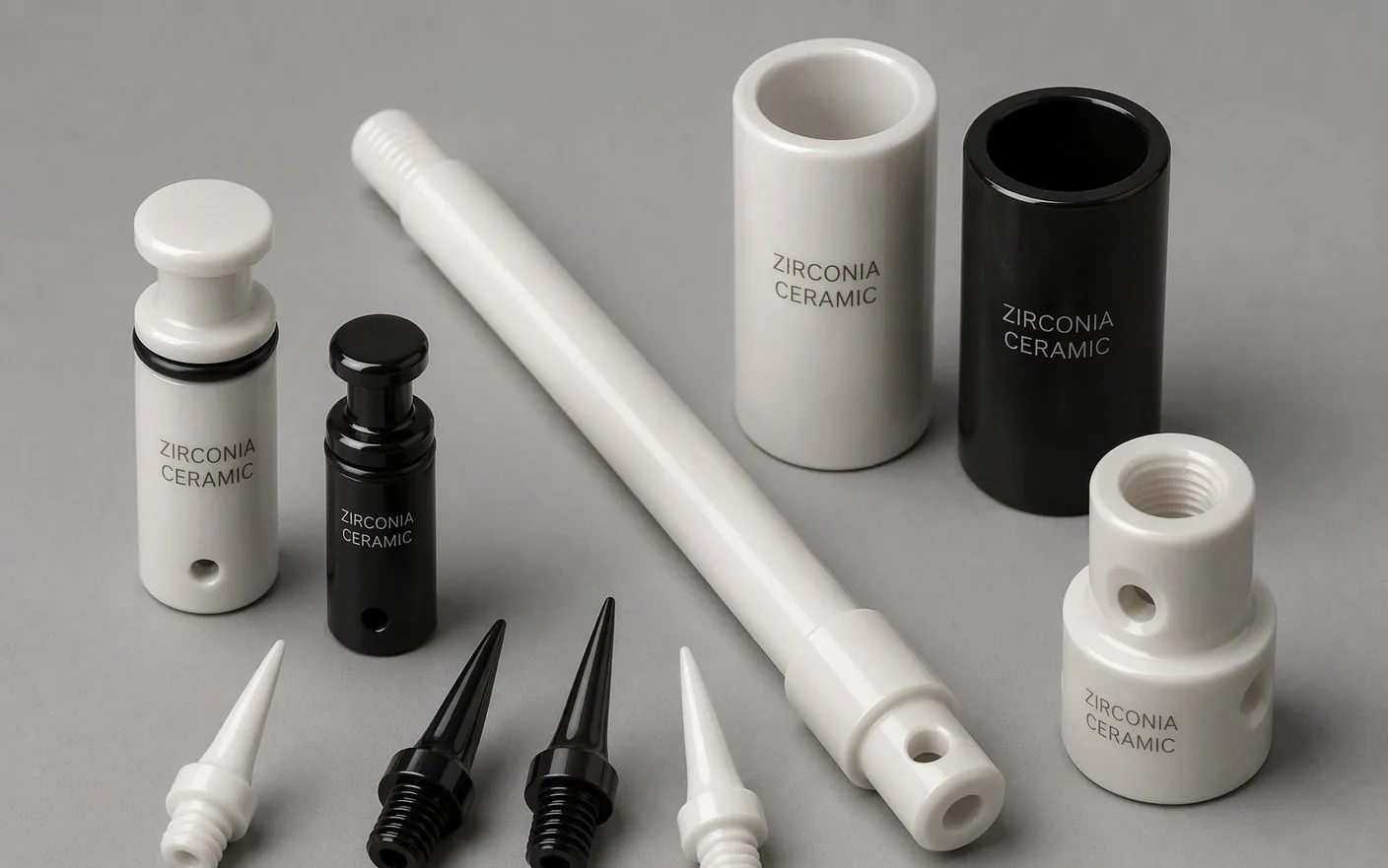
ZrO2
Zirconia Parts
High strength & toughness. Pump plungers, valve sleeves, dispensing tips.
Flexural ≥1000 MPa :: HRA ≥88
Explore →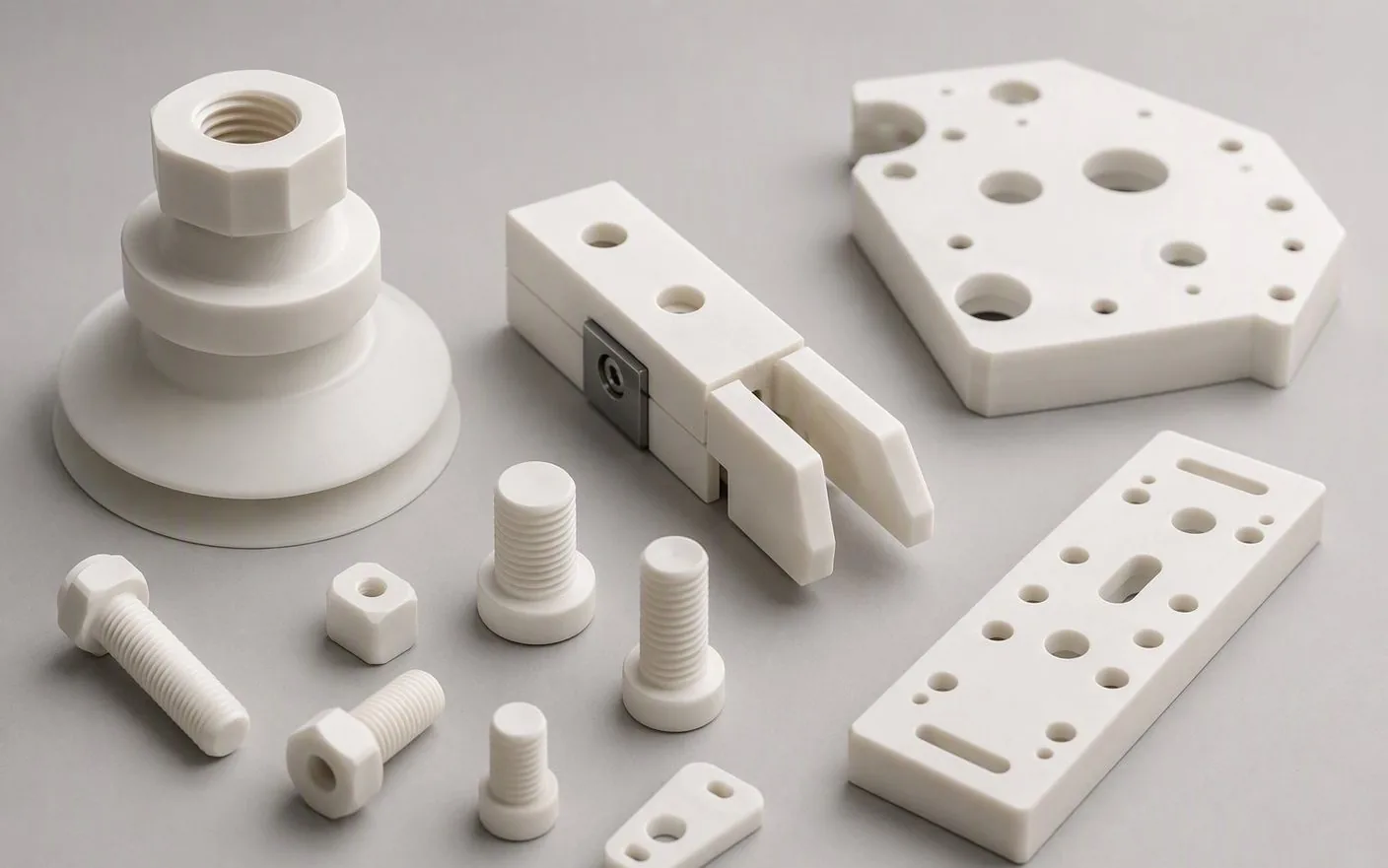
Al2O3
Alumina Parts
Workhorse of technical ceramics. 95% / 99% / 99.7% purity grades.
Volume resistivity 10¹⁴ Ω·cm
Explore →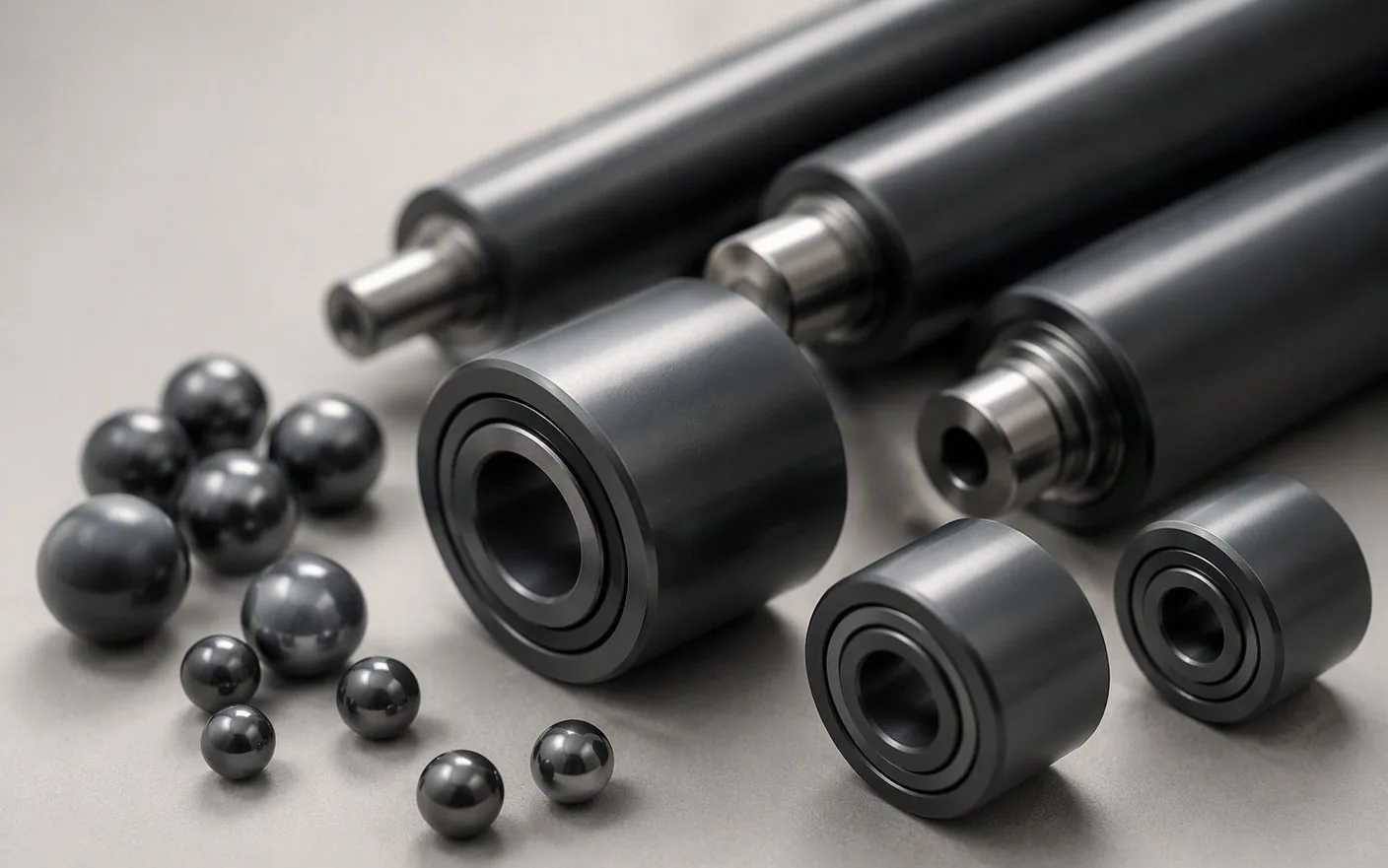
Si3N4
Silicon Nitride Parts
Rollers & end effectors that outlast steel in high-speed lines.
Fracture toughness 6–8 MPa·m½
Explore →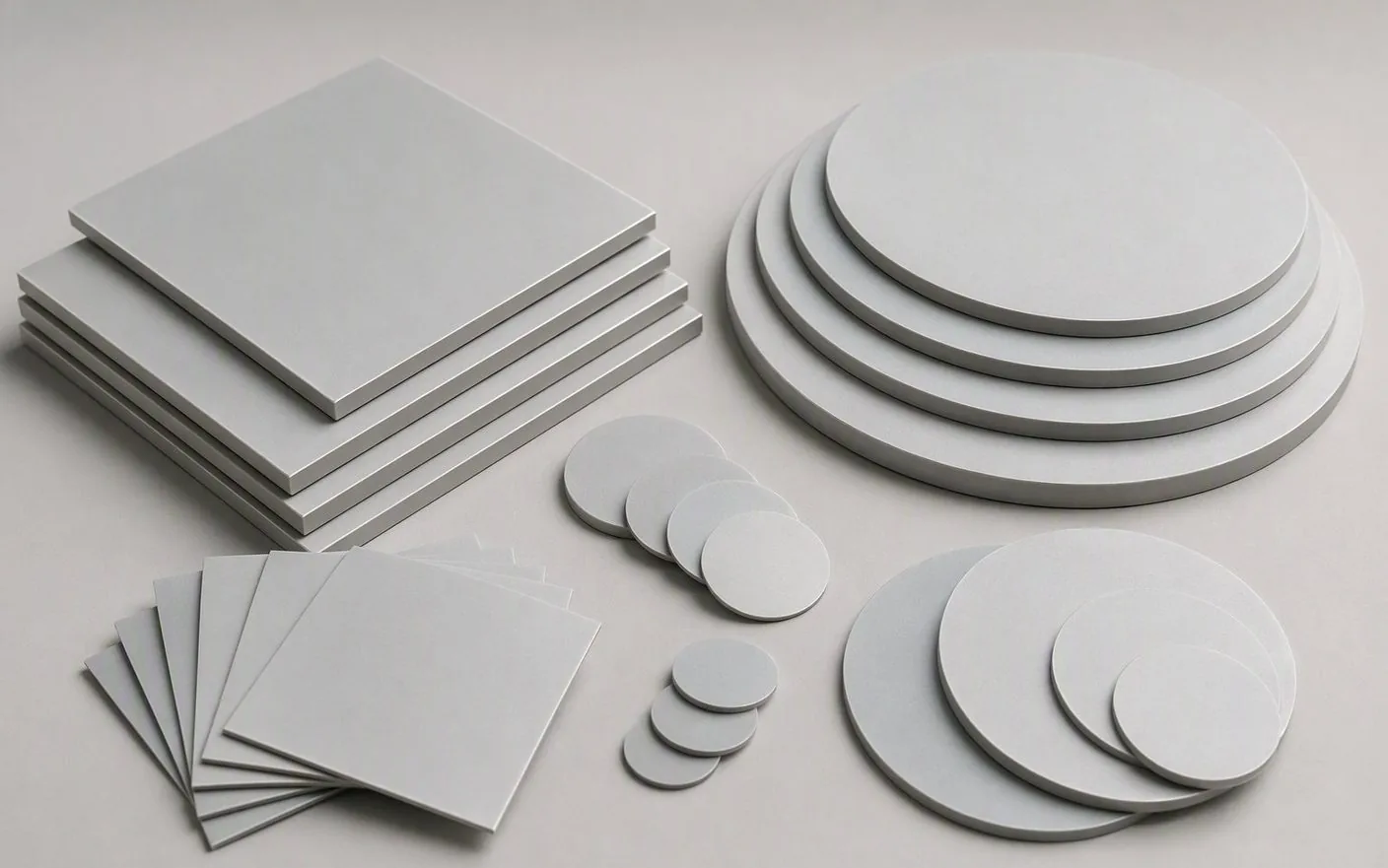
AlN
Aluminum Nitride Parts
Thermal management substrates for power electronics & LED.
Thermal conductivity ≥170 W/m·K
Explore →SiC
Silicon Carbide Parts
Seal rings & wear parts for harsh chemical service.
Corrosion-proof :: HRA ≥92
Explore →